- All
- Product Name
- Product Keyword
- Product Model
- Product Summary
- Product Description
- Multi Field Search


Views: 0 Author: Site Editor Publish Time: 2026-05-18 Origin: Site
Social media platforms overflow with viral laundry videos. Influencers promise a remarkable "12-week freshness" for your daily wash. Users happily toss colorful scoops of fragrance enhancers into their washing machines. They seek the ultimate scent upgrade for their favorite garments. The vibrant aesthetic and sensory appeal make these products incredibly popular. However, appliance repair technicians and dermatologists are voicing serious skepticism.
Today's consumers face a frustrating dilemma. You want long-lasting fragrance for your wardrobe. Yet, you must balance this desire against hidden risks. Routine use might trigger appliance wear, fabric degradation, and uncomfortable skin irritation. Are these aesthetic boosters truly worth the potential damage?
This guide provides an objective, evidence-based evaluation. We will explore how these products impact fabrics and washing machines. We outline the exact pros and cons clearly. Finally, we offer a practical decision framework so you can choose safer, cost-effective alternatives.
Mechanism over cleaning: Laundry fragrance beads do not clean; they are wax-like, dissolvable carriers designed to coat fabrics in long-lasting synthetic scents.
Machine and fabric risks: Chronic use, especially in cold water or HE (High-Efficiency) machines, can lead to undissolved wax buildup, clogged drain pumps, and ruined moisture-wicking properties in athletic wear.
Hidden costs: Beyond retail price, heavy reliance on scent beads can add over $300 to a household's annual laundry budget.
Safer alternatives exist: Natural boosters (like sodium percarbonate or white vinegar) neutralize odors at the source without leaving oily, potentially flammable residues on clothes.
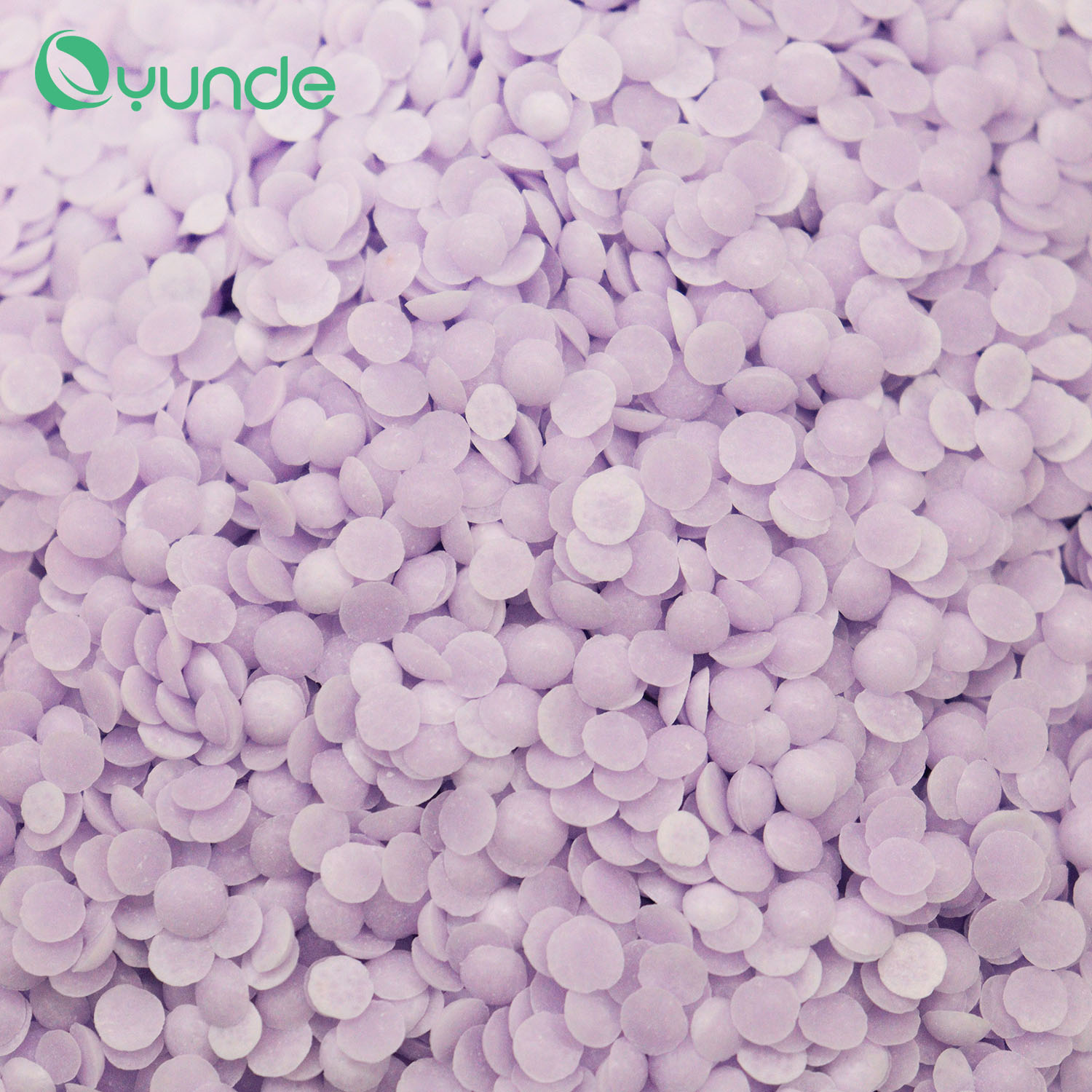
Manufacturers market these products as revolutionary laundry upgrades. You might assume they help clean your garments. The reality is quite different. Laundry Fragrance Beads rely on specific chemical formulations. They are essentially concentrated perfumes. Brands suspend these synthetic scents in water-soluble waxy carriers. Most formulas utilize polyethylene glycol (PEG) as the primary base ingredient. PEG serves as an excellent delivery vehicle for heavy perfumes.
Unlike standard laundry detergents, these granules do not lift dirt. Enzyme boosters actively break down sweat and odor molecules. Scent enhancers operate differently. They work by leaving a residual coating on your fabric fibers. This waxy layer traps the artificial fragrance onto the garment. You smell the perfume because the coating remains intact long after drying. The product provides a sensory illusion of cleanliness. It masks underlying odors instead of removing them.
Temperature plays a critical role in this process. These products require warm or hot water to dissolve fully. Modern consumers often wash clothes in cold water to save energy. Cold water cycles significantly increase your implementation risk. The wax carrier struggles to melt in low temperatures. It often leaves behind a stubborn granular residue. This undissolved sludge clings to your fabrics and machine drum. You might notice strange spots on dark clothing. These spots are simply unmelted clumps of scented wax. Over time, this residual layer becomes harder to remove.
We must evaluate the long-term impact on your household. Chronic use introduces several notable risks to your machines and textiles. Let us break down the specific vulnerabilities you might encounter.
Impact on Washers (Appliance Longevity): High-Efficiency (HE) machines are particularly vulnerable. HE models use significantly less water per cycle to conserve resources. Low-water machines struggle to flush out heavy waxy residues. The undissolved sludge builds up inside the inner drum. It also coats the hidden drainage pipes. Over time, this buildup creates severe plumbing blockages. Repair experts frequently highlight drain pump failures. Plumbers often find undissolved masses clogging drain pumps. This blockage forces the pump to overwork and eventually fail. The waxy scaling traps moisture and organic debris. This trapped debris encourages mold growth and foul odors. You might experience unexpected leaks and expensive repair bills.
Impact on Fabrics (Performance & Safety): The wax-like coating actively ruins fabric absorbency. Freshly washed towels might feel stiff or scratchy. The coating repels water instead of absorbing it, matting the cotton loops together. Synthetic athletic wear faces similar degradation. The waxy residue clogs the micropores of high-tech activewear. This blockage destroys their essential moisture-wicking capabilities. Your gym clothes will trap sweat against your skin, leading to persistent bacterial odors. We must also note flammability concerns. This represents a rare but critical safety issue. The chemical coating leaves an oily residue on textiles. Oily buildups can increase the flammability of certain fabrics, which is especially concerning for sleepwear.
Health and Environmental Compliance Lenses: Dermatological impacts deserve careful attention. Synthetic fragrances frequently trigger adverse physical reactions. Roughly a third of consumers report skin or respiratory sensitivities. Common symptoms include debilitating migraines, contact dermatitis, and asthma flare-ups. The heavy fragrance load overwhelms sensitive immune systems. Ecological footprints are equally concerning. The waxy carriers often behave like microplastics in aquatic environments. Some formulas contain endocrine-disrupting chemicals like phthalates. Your washing machine flushes these chemicals directly into municipal water systems. Water treatment plants struggle to filter these tiny particles. They eventually enter local rivers and marine ecosystems.
It is important to acknowledge where these products succeed. They offer specific benefits for certain laundry scenarios. However, their daily application presents distinct disadvantages. Let us examine a balanced breakdown of the pros and cons.
Pros (Where they succeed):
They provide unmatched longevity of fragrance. This makes them ideal for seasonal clothes entering long-term storage. You can pull winter sweaters out months later. They will still smell incredibly fresh. Consumers enjoy highly customizable scent profiles. You can choose from lavender, floral, fruity, or crisp linen. These strong perfumes easily outlast standard detergents and dryer sheets. They deliver high perceived satisfaction for heavy items. Thick duvets, dog bed covers, and heavy blankets are notoriously hard to wash. Using these enhancers in hot water cycles leaves bulky bedding smelling wonderful.
Cons (Where they fail):
Cost inefficiency is a major drawback. Frequent use drastically increases your cost-per-load. Heavy reliance adds hundreds of dollars in hidden annual household expenses. Fabric damage occurs with regular application. The residual coating actively degrades high-tech fabrics. It ruins delicate silks and irritates sensitive baby clothes. Machine degradation remains a constant threat. High maintenance and failure rates frustrate property managers. Consequently, some college dorms and public laundromats strictly void their usage policies.
Pros and Cons Comparison Chart | ||
Category | Advantages (Pros) | Disadvantages (Cons) |
|---|---|---|
Performance & Storage | Delivers exceptional fragrance longevity, perfect for seasonal clothing placed in long-term storage bins. | Leaves a waxy layer that actively degrades high-tech fabrics, delicate silks, and infant clothing. |
Sensory Experience | Offers highly customizable scent profiles (lavender, citrus, floral) to match personal household preferences. | Creates an oily barrier that drastically increases flammability risks and causes total loss of towel absorbency. |
Appliance & Budget | Yields high satisfaction for bulky, tough-to-wash items like thick duvets when washed strictly in hot water. | Voids many public laundromat usage policies; introduces exorbitant recurring hidden annual household expenses. |
You do not need synthetic chemicals to achieve fresh laundry. We strongly recommend shifting your focus. Prioritize odor neutralization rather than odor masking. When you eliminate the bacteria causing the smell, clothes smell naturally clean. Several cost-effective alternatives perform beautifully. They protect your fabrics and prolong your washing machine's lifespan.
White Vinegar:
This common pantry staple works wonders. Pour half a cup into your fabric softener dispenser. Vinegar naturally softens stiff clothes. It neutralizes trapped odors at the source by dissolving alkaline mineral buildups. Your laundry will not smell like salad dressing. The vinegar scent dissipates completely during the rinse cycle.
Natural Laundry Boosters:
Plant-based or mineral powders are incredibly effective. Look for ingredients like Baking Soda, Washing Soda, and Sodium Percarbonate. These minerals actively break down stubborn sweat and grease. Sodium percarbonate, for example, acts as an oxygen bleach. It lifts stains instead of covering them up with heavy perfumes. You enjoy a deeper clean without the waxy buildup.
Wool Dryer Balls + Essential Oils:
This sustainable method bypasses the washing machine entirely. You toss reusable wool balls into your dryer. Before doing so, add a few drops of your favorite essential oil directly onto the wool. The balls agitate the clothing to speed up drying time. They inject natural fragrance during the warm tumbling cycle. This machine-safe method represents a perfect substitute for synthetic Scent Beads.
Making the switch requires a brief transitional period. You probably have residual wax hiding in your fabrics right now. Follow these practical steps to reset your laundry routine effectively.
Step 1: Strip the buildup. You must remove the waxy residue from stiff towels and activewear. Fill your bathtub or a large basin with hot water. Add one cup of white vinegar and half a cup of baking soda. Submerge your affected garments completely. Let them soak for several hours. This process gently strips the chemical coating. Run them through a normal wash cycle afterward. You will immediately notice a softer texture.
Step 2: Repurpose unused beads (Life Hacks). Do not throw away your leftover containers. You can repurpose them safely around the house without endangering your washer. Put small scoops into breathable organza bags. Tuck these bags into your dresser drawers or gym bags as instant sachets. You can also sprinkle a few at the bottom of your indoor trash cans. Another clever trick involves your vacuum cleaner. Vacuum a tiny handful into the dustbin. The exhaust will smell fresh as you clean your floors.
Step 3: Pair unscented detergents with natural boosters. Establish a healthier baseline for your daily wash. Purchase a high-quality fragrance-free detergent. Pair it with natural enzyme boosters. This combination protects sensitive skin and ensures appliance longevity. Your clothes will emerge feeling softer and genuinely clean. You eliminate the chemical dependencies that harm modern high-efficiency appliances.
Let us review our final verdict. Laundry fragrance enhancers certainly deliver on their primary promise. They provide an intense, long-lasting scent. However, the cumulative trade-offs are impossible to ignore. Routine usage invites hidden appliance damage and severe fabric degradation. It ruins athletic wear and stiffens expensive towels. It also creates unnecessarily high recurring household expenses. These factors make them a poor choice for your daily laundry loads.
We recommend a strategic shift in your washing habits. Reserve traditional scent enhancers strictly for heavily soiled utility items. Use them only during hot-water washes where they can dissolve fully. Better yet, consider abandoning them entirely. Embrace natural odor-neutralizing boosters instead. Switch to sustainable wool dryer balls for safe, customizable fragrance. Your sensitive skin, your expensive wardrobe, and your hardworking washing machine will certainly thank you.
A: Yes, over time. Undissolved waxy residue can clog drain pumps and coat internal sensors. This issue is especially prominent in low-water HE machines or during cold wash cycles. The buildup forces the machine to overwork, eventually leading to costly pump failures and mold growth.
A: No. Scent beads only deposit fragrance. They do not contain conditioning agents to soften fibers. However, both products leave a chemical coating on your clothes. This coating can ruin towel absorbency and destroy the moisture-wicking properties of synthetic athletic wear.
A: They must be tossed directly into the empty drum before adding clothes. Placing them in the liquid detergent or fabric softener dispenser will cause immediate blockages. The wax cannot dissolve properly inside the dispensing tubes.
A: Wash the affected items in warm or hot water. Add a cup of white vinegar directly to the cycle. Do not add any laundry detergent. The vinegar helps dissolve the waxy buildup. This simple process restores the fabric's natural texture and absorbency.