- All
- Product Name
- Product Keyword
- Product Model
- Product Summary
- Product Description
- Multi Field Search


Views: 0 Author: Site Editor Publish Time: 2026-05-18 Origin: Site
Scroll through social media or home care forums, and you will quickly spot a growing debate. Users absolutely love the long-lasting fragrance these tiny laundry additives leave behind on fabrics. However, appliance repair technicians frequently blame them for costly machine breakdowns. A core conflict exists between wanting fresh-smelling laundry and understanding modern high-efficiency (HE) washing machines. Today's eco-friendly washers use significantly less water and often default to cold temperatures. This modern washing environment makes dissolving waxy additives incredibly difficult. We will provide an evidence-based, skeptical look at how these products interact with washer mechanics, plumbing systems, and delicate fabrics. By understanding the science behind the scent, you can make an informed decision for your household. We will equip you with facts to either use them safely or switch to better, risk-free alternatives.
Dissolution is the primary failure point: Most traditional laundry fragrance beads are made of waxy substances (like polyethylene glycol) that struggle to dissolve fully in cold water.
Mechanical risks are real but preventable: Chronic overdosing and undissolved residue can coat the inner drum, clog drainage pipes, and prematurely burn out the drain pump.
Fabric and health impacts matter: The oily residue left behind can reduce towel absorbency, increase fabric flammability, and trigger skin sensitivities.
Safer alternatives exist: Natural solutions like wool dryer balls with essential oils or white vinegar offer fresh scents without appliance risk or environmental harm.
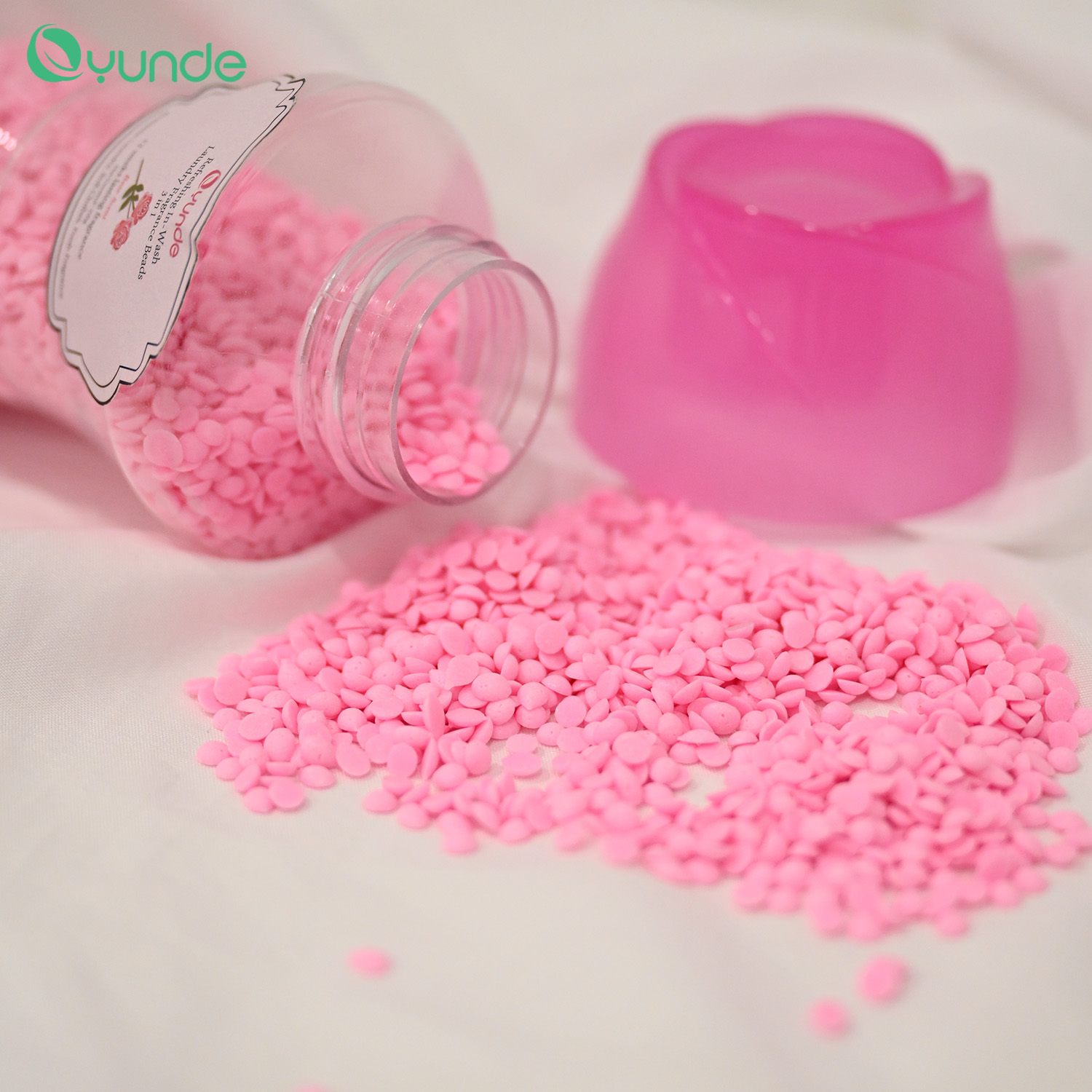
Consumers often misunderstand what they pour into their machines. It is important to realize these tiny pellets are not detergents. They contain absolutely no cleaning agents, surfactants, or stain removers. Instead, they operate purely as scent-delivery mechanisms. Manufacturers formulate them as water-soluble waxy carriers. Most brands utilize polyethylene glycol (PEG) or similar synthetic waxes. These carriers encapsulate artificial fragrances. When exposed to water, the wax melts away. This process releases the trapped fragrance directly onto your garments. Choosing high-quality Laundry Fragrance Beads can influence how effectively this dispersal happens, but the underlying chemistry remains the same.
Modern washing habits clash directly with this chemical design. Environmental advocates and utility companies strongly encourage washing clothes in cold water. Cold water saves significant energy and protects delicate fabrics from shrinking. However, polyethylene glycol requires higher temperatures to melt efficiently. When you toss waxy pellets into a cold-water cycle, you introduce a serious implementation risk. The cold temperature hardens the wax instead of dissolving it. The machine simply lacks the thermal energy required to break down the carrier completely.
We must acknowledge the assumptions made during product testing. Under ideal laboratory conditions, these products perform flawlessly. Lab engineers test them using exact doses, ample agitation, and properly heated water. In these controlled settings, the carrier dissolves safely and washes away. Everyday consumer habits rarely match these lab conditions. People often overload their washers. They use quick-wash settings and default to cold water. This mismatch between lab assumptions and real-world usage leads to partial dissolution. Partially dissolved wax turns into a sticky, gel-like substance. This sludge initiates the mechanical failures technicians warn about.
Undissolved gel-like clumps do not simply vanish. They travel directly into your washing machine's drain pump. The drain pump pushes dirty water out of the drum and into your home plumbing. When sticky wax enters the pump impeller, it creates severe mechanical drag. The motor must work significantly harder to spin. Over time, this constant strain causes the pump to overheat and fail prematurely. Replacing a burned-out drain pump requires expensive technician callouts. You lose the use of your washer for days, facing steep labor and parts costs.
Beyond the drain pump, these residues coat the machine internally. Washing machines feature an inner drum you can see and an outer tub you cannot see. During the spin cycle, soapy water and melted wax slosh between these two metal cylinders. The waxy residue clings to the outer tub walls. Over months of use, it builds a thick, oily film. This film traps moisture perfectly. It fosters dark, damp environments where mold and mildew thrive. Paradoxically, the product you bought to make your clothes smell better causes your washing machine to smell like a swamp.
The damage extends past the appliance itself. Plumbing infrastructure faces scalable, long-term risks. When warm, soapy water carrying melted wax enters cold drain pipes, the wax instantly solidifies. It sticks to the inner walls of your plumbing. Older homes remain particularly susceptible to this issue. Narrow pipes or rough cast-iron plumbing catch the wax easily. Over time, lint, hair, and dirt stick to the waxy coating. This creates stubborn blockages. You may eventually require professional drain cleaning to restore proper water flow.
Appliance and Plumbing Risk Summary | ||
Affected Component | Mechanism of Failure | Real-World Consequence |
|---|---|---|
Drain Pump | Gel clumps jam the impeller mechanism | Premature motor burnout and costly repairs |
Outer Tub | Wax coats metal, trapping dampness | Persistent mold, mildew, and foul machine odors |
Household Plumbing | Melted wax solidifies in cold drain pipes | Slow drainage and eventual pipe blockages |
Beyond mechanical issues, these additives drastically alter fabric performance. Making a fragrance "stick" through a rigorous wash and rinse cycle requires an oily coating. This coating physically wraps around individual clothing fibers. While it traps the scent, it also seals the fabric. Athletic wear relies on open fibers for moisture-wicking capabilities. When wax coats gym clothes, they trap sweat against your body. Similarly, bath towels rely on fluffy cotton loops to absorb water. The oily residue flattens these loops. Coated towels push water around your skin instead of actually drying you off.
Expert observations highlight another alarming drawback. Heavy buildup of oily residue changes the flammability profile of certain fabrics. Children's sleepwear often contains flame-retardant treatments. Coating these safety garments in synthetic wax compromises their protective qualities. Furthermore, everyday fabrics saturated in oily buildup ignite faster and burn hotter. While a single wash will not turn a shirt into a fire hazard, chronic overdosing builds up a dangerous layer over time.
We must also consider dermatological and environmental impacts. Heavily concentrated artificial fragrances frequently trigger adverse health reactions. Sensitive households report spikes in contact dermatitis, unexplained rashes, and eczema flare-ups. The volatile organic compounds (VOCs) and phthalates used to stabilize these fragrances can trigger migraines and asthma attacks. On an environmental level, non-biodegradable micro-residues wash down the drain. Even high-quality Scent Beads leave trace elements behind. These micro-plastics and synthetic waxes enter local waterways. Water treatment plants struggle to filter them out completely, impacting aquatic ecosystems over time.
Athletic Wear: Loses breathability and locks in stale sweat odors.
Bath Towels: Becomes stiff, rough, and completely non-absorbent.
Children's Sleepwear: Loses crucial flame-retardant safety properties.
Undergarments: Traps moisture, increasing the risk of skin chafing and irritation.
If you decide to keep these products in your laundry routine, you must adopt strict placement protocols. Never put them into the liquid detergent or fabric softener drawer. Dispenser drawers flush additives using cold, low-pressure water. Placing waxy pellets there guarantees clumping and immediate drawer blockages. Instead, toss them directly into the empty washing machine drum. Do this before you add any clothes. Placing them at the bottom ensures they submerge fully as the machine fills with water.
Temperature control dictates your success or failure. You must abandon cold-water washes when utilizing these additives. Switch to warm or hot water cycles exclusively. The increased thermal energy ensures the polyethylene glycol carrier breaks down completely. If you must wash a delicate item in cold water, skip the fragrance boosters entirely for that specific load.
Dose management remains a critical best practice. Manufacturers want you to use more product because it drives sales. Their measuring caps often encourage massive doses. We strongly recommend using half the manufacturer’s suggested amount. Emphasize to everyone in your household that more is not better. A small pinch provides plenty of fragrance without overwhelming the machine's ability to dissolve the wax.
Finally, implement aggressive preventative maintenance. You cannot see the waxy buildup hiding between the drums. Prescribe a monthly "clean washer" cycle for your appliance. Run the machine completely empty on its hottest, longest setting. Use a dedicated washing machine cleaner or two cups of plain white vinegar. This hot, acidic bath strips away unseen buildup. It protects your drain pump and keeps the interior smelling fresh.
Safe Usage Checklist | ||
Action Step | Best Practice | Common Mistake to Avoid |
|---|---|---|
Placement | Bottom of the empty drum | Putting them in the detergent drawer |
Temperature | Warm or hot water only | Using eco-friendly cold water cycles |
Dosage | Half the recommended cap limit | Filling the cap to the top rim |
Maintenance | Monthly hot self-clean cycle | Ignoring musty machine smells |
When evaluating alternatives, you should frame your choices based on four criteria. You want high machine safety, low cost-per-load, minimal environmental impact, and excellent scent longevity. Traditional waxy pellets score poorly on safety and cost. Fortunately, several powerful alternatives meet all four criteria without compromising your appliance.
Wool dryer balls paired with essential oils offer the top conversion alternative. You simply add three to five drops of high-quality essential oil directly onto natural wool balls. Toss them into the dryer with your wet clothes. The heat slowly diffuses the oil, providing a safe, customizable fragrance. Furthermore, the wool balls physically agitate the laundry. This action naturally softens clothes, reduces static cling, and cuts drying time by up to twenty percent. You protect your washer and lower your electricity bill simultaneously.
White vinegar in the rinse cycle serves as a remarkably effective substitute. Pour half a cup of distilled white vinegar into your fabric softener dispenser. Vinegar acts as a natural fabric softener. It strips away detergent residue that makes clothes stiff. More importantly, it functions as a powerful odor neutralizer. It kills the bacteria causing musty smells. Do not worry about smelling like a salad dressing. Reassure yourself that the vinegar smell dissipates entirely upon drying, leaving behind truly clean fabric.
If you absolutely insist on an in-wash booster, pivot to plant-based and biodegradable options. Shortlist eco-friendly brands that formulate their products differently. Look for labels highlighting mineral-based or purely plant-based dissolving agents. These alternatives avoid synthetic waxes like PEG. They break down much easier in modern machines and pose significantly less threat to local water systems.
Once you realize the risks, you likely want to stop using them in your washer immediately. However, throwing them away wastes money. You can practice value retention and zero-waste principles by repurposing them around your home. They still hold tremendous odor-fighting potential outside the laundry room.
You can easily create closet and car sachets. Purchase small, breathable organza bags online or at a craft store. Fill each bag with a handful of your leftover product. Tie them tightly. Place these passive air fresheners inside dresser drawers, gym bags, or musty coat closets. You can hang one over your car's rearview mirror or tuck it under a passenger seat. The wax slowly releases the trapped fragrance over several months without requiring any heat or water.
They also make a fantastic vacuum deodorizer. Vacuum cleaners often emit a dusty, pet-hair odor during use. This happens because stale air passes through dirty internal filters. Sprinkle a small handful of pellets onto your carpet and immediately vacuum them up. They will settle inside the dustbin or vacuum bag. As the motor runs, warm air circulates around the pellets. This action pushes a continuous wave of fresh fragrance through the vacuum's exhaust vents, deodorizing your room as you clean.
Drawers: Keep seasonal clothing smelling fresh during long-term storage.
Shoes: Drop a sachet into stinky athletic shoes overnight to neutralize foot odor.
Trash Cans: Tape a small breathable pouch to the inside lid of your kitchen garbage bin.
Vacuuming: Suck up a few pellets to mask internal dust smells during weekly chores.
While scented laundry additives are not inherently "machine killers" under perfect laboratory conditions, the margin for user error remains incredibly high. Washing in cold water or pouring slightly too much product turns a simple fragrance boost into a sticky, expensive nightmare. They demand high-maintenance washing routines that conflict with modern, eco-friendly appliance designs. You risk premature pump failures, moldy drums, and ruined bath towels for a temporary scent.
Take immediate action to audit your current washing machine's health. Run a long, hot self-clean cycle today using vinegar or a dedicated washer cleaner to strip away unseen buildup. Moving forward, pivot to zero-risk alternatives. Investing in wool dryer balls and essential oils protects your expensive appliance investment. It preserves the wicking power of your fabrics and ensures your household breathes safer, natural fragrances.
A: No. You must never put them in the dryer. The extreme heat will melt the waxy carrier directly onto your clothes. This will permanently ruin delicate fabrics and leave a sticky, flammable residue coating the interior of your dryer drum.
A: No. They serve entirely different purposes. Fragrance additives only deposit perfume onto your clothes. Liquid fabric softeners chemically coat fibers to reduce static and make garments feel softer. Both products, however, carry significant risks of leaving oily buildup inside your machine.
A: Oily residues from waxy additives and liquid softeners physically coat the cotton loops of your towels. This oily barrier repels water instead of absorbing it. You can restore their absorbency by washing them in hot water with half a cup of white vinegar to strip the buildup.
A: Often, no. Appliance warranties cover manufacturing defects. If a repair technician proves that severe negligence, chronic overdosing, or improper use of waxy additives caused the drain pump to fail, the manufacturer may void your warranty coverage entirely.