- All
- Product Name
- Product Keyword
- Product Model
- Product Summary
- Product Description
- Multi Field Search


Views: 0 Author: Site Editor Publish Time: 2026-05-18 Origin: Site
We all know the disappointment of running a full wash cycle. You pull out your favorite thick towels or activewear, only to be hit by a sour, musty odor. Instead of smelling fresh, they smell worse than before they went in. This frustrating issue usually comes down to trapped moisture, front-loader mold, or delayed drying times. Basic detergents struggle to pull deeply embedded odors out of dense fabrics. You need something stronger to break the cycle of mildew.
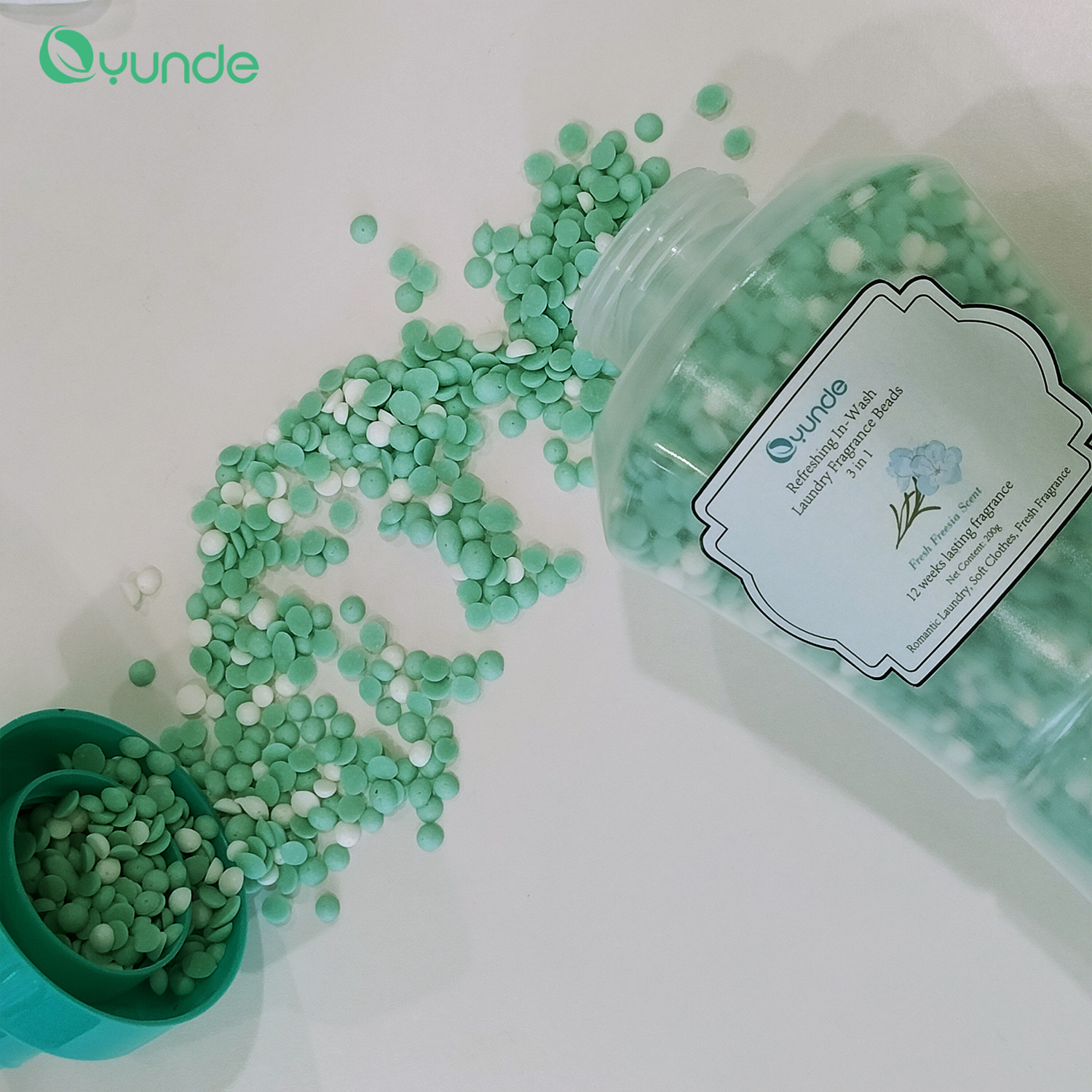
This is where Laundry Fragrance Beads come into play as a highly targeted intervention. We will not treat them as a mere perfume to mask bad washing habits. Instead, they serve as a specific odor-neutralizing tool when used correctly. This guide explores how they actually work. You will learn how to avoid the overwhelming chemical smell trap. We will also detail the exact protocols to use them safely without damaging your clothes or your washing machine.
Mechanism over Masking: High-quality scent beads neutralize odor molecules and use friction-release technology, rather than just layering heavy perfume over mildew.
Formulation Matters: Chemical-heavy beads can trigger headaches and leave residues; evaluating plant-based or phthalate-free options is critical for safe, long-term adoption.
Strict Application Rules: Beads must be placed directly into the empty washing drum before clothes. They belong nowhere near the detergent dispenser or the dryer.
Not Fabric Softener: Unlike liquid softeners, scent beads do not coat fibers or ruin the absorbency of your towels.
Standard detergents focus heavily on removing physical stains. Manufacturers optimize them for dirt suspension. The chemical surfactants lift soil from the fabric surface and hold it in the water. Once the rinse cycle begins, the machine washes the dirt away. However, deep-fiber odor extraction requires a completely different approach. Detergents simply do not target volatile organic compounds effectively. Body oils, sweat proteins, and mildew spores embed themselves deep inside the woven threads. A basic liquid detergent glides over these complex odor molecules. As a result, the clothes look clean but retain a hidden, foul scent.
Several bad habits compound this trapped odor problem. We often ignore the mechanical limits of our washing machines. When you understand these culprits, you can stop bacteria from thriving.
Overloaded Drums: Cramming too many clothes into the machine restricts water flow. Agitation decreases. The fabrics cannot move freely, leaving deeply soiled areas unwashed.
Low-Temperature Washes: Eco-friendly cold washes save energy. Unfortunately, they fail to kill persistent bacteria. Fungal spores survive easily in cold water environments.
Delayed Drying: Leaving wet clothes inside a dark, humid machine breeds mildew rapidly. Bacteria multiply exponentially within just a few hours.
Modern wardrobes rely heavily on moisture-resistant fabrics. Synthetic gym clothes, yoga pants, and spandex blends repel water naturally. These synthetic fibers are oleophilic. They actively attract and hold onto body oils. During a wash, the synthetic material blocks the water from flushing out the trapped sebum. Mildew spores feed on these residual oils. Basic detergents leave a massive gap in cleaning performance here. You require a dedicated deodorizing agent to bridge this gap. A specialized additive steps in to break down the lingering oils and eliminate the sour smell permanently.
You might think odor eliminators just dump heavy perfume over bad smells. Cheap products certainly operate this way. However, modern scientific approaches dictate a different method. High-quality Scent Beads utilize active decomposition technology. They hunt down the volatile molecules causing the musty stench. Once they make contact, they alter the chemical structure of the odor itself. This neutralizes the smell at its absolute source. You achieve a genuinely clean garment rather than a confusing mixture of floral perfume and damp mildew.
Feature | Masking Agents (Cheap Perfumes) | Decomposition Beads (High-Quality) |
|---|---|---|
Odor Treatment | Layers fragrance over the existing smell. | Binds to and neutralizes odor molecules. |
End Result | Conflicting, overwhelming scent profile. | Clean, crisp baseline with added freshness. |
Longevity | Fades quickly once the perfume evaporates. | Long-lasting because the root odor is gone. |
You want your clothes to smell fresh weeks after washing them. Friction-activated microcapsules make this possible. Manufacturers embed tiny scent spheres into the bead formula. During the wash, these microscopic capsules attach themselves firmly to fabric fibers. They remain dormant while the clothes sit in your closet. When you put the clothes on, physical movement triggers the magic. Walking, stretching, or folding the fabric creates subtle friction. This physical agitation breaks the microcapsules open slowly. You experience a continuous release of freshness throughout the day.
The carrier material dictates how well the product performs in your machine. Dissolving rates matter immensely. If the base material struggles to melt, you end up with sticky spots on your clothes. Always look for salt-based crystals or specialized water-soluble plant bases. These specific formulations ensure the crystals dissolve completely. They break down perfectly across all water temperatures. Whether you run a hot sanitary cycle or a gentle cold wash, the right base material leaves zero physical trace behind.
Consumers often complain about the overwhelming nature of artificial fragrances. You can find forums filled with valid grievances regarding secondhand scent pollution. This backlash stems directly from olfactory fatigue, commonly known as nose-blindness. When you use heavily scented products daily, your brain begins to ignore the smell. You assume the product stopped working. Consequently, you pour larger doses into the machine. Your family and coworkers then suffer through an aggressive, headache-inducing odor. You must practice restraint to avoid this common pitfall.
Reading ingredient labels protects your household. Traditional commercial brands frequently rely on heavy chemical binders. Phthalates are the most notorious offenders in the fragrance industry. Manufacturers use them to make scents stick to clothes longer. Unfortunately, phthalates act as known endocrine disruptors. They interfere with natural hormone production. These chemicals pose severe risks to infants, toddlers, and anyone suffering from sensitive skin conditions. You must actively avoid products hiding behind the vague term "fragrance" if they refuse to disclose their chemical binders.
Selecting a safe, effective product requires a systematic approach. You need a strict framework for shortlisting options. This ensures you bring only high-quality additions into your laundry routine.
Category | What to Prioritize | What to Avoid |
|---|---|---|
Ingredients | Plant-based bases, transparent chemical disclosures. | "Forever chemicals", ambiguous fragrance blends. |
Scent Source | Essential oil-derived profiles, natural extracts. | Heavy synthetic perfumes, phthalate binders. |
Residue Risk | Water-soluble salts, fast-dissolving formulas. | Waxy textures, insoluble plastic fillers. |
Many people misuse these products simply because they skip reading the instructions. Following a strict sequence protects your garments and maximizes odor neutralization. Implement these exact step-by-step directions every single time you wash.
Measure the dose: Always start conservatively. Pour 5 to 10 grams into the cap. You rarely need a full cap. Testing your scent tolerance first prevents overwhelming results.
Target the empty drum: Toss the measured dose directly into the bottom of the empty washing machine drum. They need maximum water exposure to dissolve properly.
Load clothes on top: Place your garments into the machine over the scattered crystals. This prevents them from getting trapped inside pockets or folded fabrics.
Run the cycle: Add your standard detergent to its proper dispenser and start the wash. The agitation will handle the rest.
Improper application causes expensive plumbing issues and ruins appliances. You must memorize these strict warnings before using any form of odor eliminator.
Never use dispensers: Keep them out of the liquid detergent or fabric softener trays. They require aggressive tumbling to melt. Inside a static dispenser, they turn into a thick paste. This paste creates severe clogs requiring professional repair.
Never use the dryer: These products dissolve via liquid exposure, not hot air. Moving them into a dryer creates a severe fire hazard. The heat melts the plastic or waxy components directly onto the lint screen. This blocks airflow and ruins the heating element.
Many consumers confuse odor eliminators with liquid fabric softeners. They serve entirely different purposes. Fabric softeners exist to reduce static electricity and make fabrics feel smooth. To achieve this, they leave a purposeful chemical coating over the woven threads. This waxy layer actively destroys the natural absorbency of your textiles. Towels stop drying your skin effectively. Furthermore, this artificial layer traps existing mildew smells underneath. You essentially lock the bacteria against the fabric, ensuring the bad smell returns the moment the towel gets wet again.
High-quality odor eliminators bypass the coating problem entirely. They focus solely on fresh smells and molecular breakdown. Once they enter the water, they dissolve entirely. They leave absolutely zero physical residue on the fabric fibers. This makes them the superior choice for problematic loads. You can confidently wash terry cloth towels, microfiber cloths, and expensive athletic wear. Your towels remain fully absorbent. Your gym clothes retain their vital moisture-wicking properties. You get the fresh aroma without sacrificing the functional integrity of your favorite garments.
If your laundry consistently smells musty despite clean washing habits, you need a smarter intervention. Laundry Fragrance Beads offer a highly effective, low-effort upgrade to your routine. They step in where traditional detergents fail, actively neutralizing trapped odors instead of merely covering them up.
Remember the importance of reading labels carefully. You should always select high-quality, phthalate-free formulas to protect your household from harsh chemicals. Pair this with precise, conservative dosing. A small amount goes a long way. By doing so, you achieve a genuinely clean smell rather than an overwhelmingly artificial one. Start with a quarter cap on your next load of heavy towels, toss them straight into the empty drum, and experience the difference.
A: Yes. Unlike fabric softener, they do not leave a waxy coating, meaning your towels remain fully absorbent and activewear retains its moisture-wicking properties.
A: Generally, yes. Ensure you select phosphate-free formulas that dissolve completely so they do not disrupt the natural enzymes and bacteria in a septic tank.
A: Yes, they are compatible with both front-load and top-load High-Efficiency (HE) machines, provided they are tossed directly into the drum before the clothes.
A: Re-wash the garments using half a cup of white vinegar or baking soda to neutralize the lingering fragrance oils, and dry them outdoors in direct sunlight. The UV rays help break down artificial scents.