- All
- Product Name
- Product Keyword
- Product Model
- Product Summary
- Product Description
- Multi Field Search


Views: 0 Author: Site Editor Publish Time: 2026-05-18 Origin: Site
Consumers and small business owners actively seek flameless, spray-free alternatives to keep their rooms smelling fresh. We all want inviting environments, but constantly buying single-use air fresheners strains budgets. Traditional candles pose serious fire hazards. They also create compliance risks in commercial spaces like beauty salons, offices, and dorms. Meanwhile, aerosol sprays offer transient scenting. Their fragrance vanishes almost immediately after application. Additionally, you often find yourself holding leftover laundry products. You might want to repurpose these items to avoid wasted money or unwanted washing machine residue. Repurposing these solid fragrances offers a scalable, passive diffusion method. You can safely scent closets, living rooms, and commercial spaces. This guide evaluates the most effective implementation techniques. We cover the required materials and the true safety guidelines for using them off-label. Read on to discover safe ways to transform unused laundry supplies into continuous room deodorizers.
Top Application: Mesh drawstring bags filled with scent beads provide the safest, lowest-cost passive air freshening for small spaces and commercial environments.
Hybrid Efficiency: Combining laundry fragrance beads with baking soda creates a dual-action deodorizer (odor absorption + scent profiling) for carpets and utility areas.
Risk Mitigation: Avoid exposing scent beads to direct heat sources (wax warmers, summer car interiors) due to melting risks, chemical breakdown, and residue damage.
Cost-to-Value: Repurposing unused beads significantly improves product ROI compared to purchasing single-use commercial air fresheners.
Commercial spaces face strict safety regulations regarding open flames. Beauty salons, corporate offices, and university dorms typically prohibit candles entirely. This restriction leaves facility managers searching for compliant ambient scenting solutions. Flameless scenting neatly circumvents these restrictive safety protocols. You get continuous fragrance without risking fire code violations. Passive solid diffusers require no electricity. They demand no open flames. They offer immediate compliance.
Aerosol room sprays present another common challenge. They deliver a massive burst of fragrance upfront. This burst dissipates rapidly, leaving the room smelling stale within an hour. Solid diffusers operate differently. They provide a continuous, slow-release mechanism. The scent throw remains steady over several weeks. You avoid the overwhelming initial cloud typical of standard room sprays.
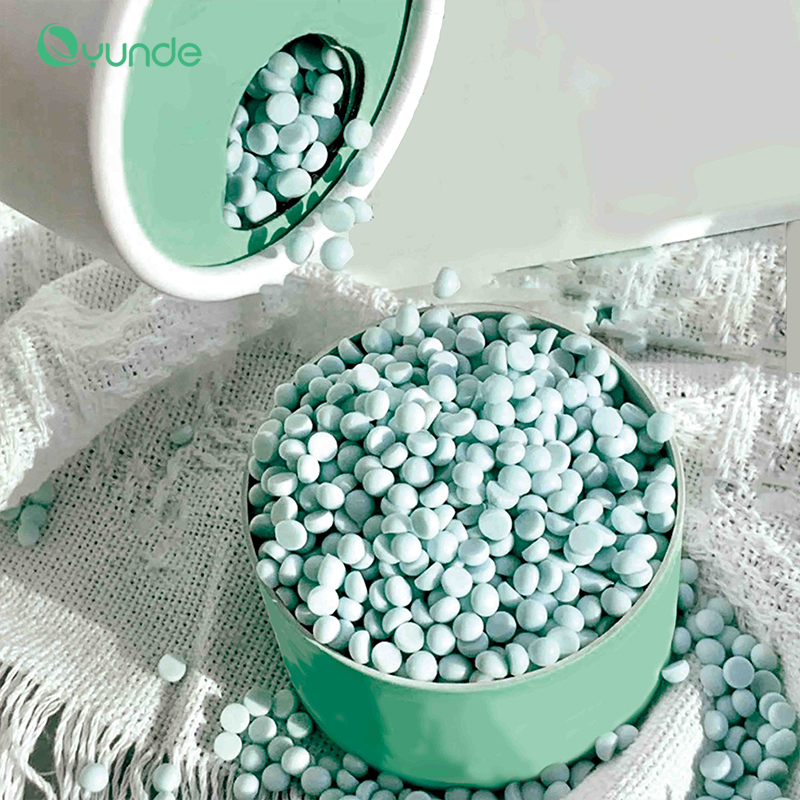
Consumer behavior also drives this repurposing trend. Many users purchase Laundry Fragrance Beads but pause their in-wash usage. They often worry about washing machine drainage issues. Some users experience fabric residue on delicate clothing items. This leaves half-empty bottles sitting on shelves. Repurposing these items recovers your sunk cost. You pivot from a paused laundry routine to high-value, off-label utilization. Transforming unused supplies into standalone room fresheners maximizes your original purchase value.
This method stands out as the most reliable passive diffusion technique. You simply portion the spheres into small, breathable organza bags. Mesh drawstring bags allow optimal airflow while containing the solid product securely. This approach requires minimal effort.
Implementation: Scoop two tablespoons into a small mesh bag. Pull the strings tight and tie a secure knot.
Best for: Strategic placement in beauty studios, clothing drawers, and gym bags. You can tuck them discreetly behind salon mirrors or inside clean towels.
Best Practice: Keep the bags away from direct moisture. Keep them strictly out of reach of children.
Routine facility maintenance provides an excellent opportunity for active scent dispersion. Vacuum cleaners often emit a dusty, stale odor during operation. You can neutralize this exhaust smell easily.
Implementation: Suck up a small handful of spheres into an empty vacuum bag. You can also place them directly into the dust canister before cleaning.
Best for: Dispersing scent through the machine’s exhaust system. This works brilliantly during routine home maintenance or commercial facility cleaning.
Common Mistake: Do not overfill the canister. A single tablespoon provides plenty of fragrance without blocking air filters.
Waste bins generate some of the most persistent odors in any building. Liquid leaks and decaying organic matter create a foul baseline smell. You can tackle this issue right at the source.
Implementation: Sprinkle a baseline layer beneath the plastic liner. Place them directly on the bottom of the empty bin.
Best for: High-traffic waste bins in kitchens or commercial bathrooms. They neutralize baseline odors before they escape into the room.
Sometimes you need a localized fabric spray. You can create a DIY alternative using your leftover supplies. This requires careful execution to avoid ruining your spray equipment.
Implementation: Dissolve a precise ratio in warm water. Wait until they melt completely. Transfer the liquid into a spray bottle.
Limitations: This method requires absolute, full dissolution. Any remaining solid particles will instantly clog your spray nozzle. Furthermore, this mixture leaves potential residue on delicate fabrics.
What to Watch Out For: Test this DIY spray on an inconspicuous fabric area first. Avoid spraying it on silk or dark garments.
Understanding the mechanism of action remains critical for odor management. Merely masking odors differs entirely from neutralizing them. When you use Scent Beads alone, you simply layer fragrance over existing smells. Baking soda functionally absorbs and neutralizes acidic odor molecules. Combining these two elements creates a highly effective, dual-action deodorizer.
Ingredient | Primary Function | Mechanism | Best Application |
|---|---|---|---|
Scent Spheres | Masking / Fragrance | Releases essential oils and synthetic perfumes over time. | Clean, enclosed spaces needing ambient aroma. |
Baking Soda | Odor Neutralization | Alkaline nature absorbs acidic odors and traps bacteria. | Damp areas, pet zones, stale carpets. |
Hybrid Mixture | Dual-Action Cleaning | Neutralizes base odors while depositing a fresh profile. | High-traffic rugs, pet litter boxes, upholstery. |
Carpet and upholstery applications benefit massively from this hybrid mixture. High-traffic rugs trap bacteria, sweat, and moisture. Follow this specific sequence for optimal results:
Mix equal parts of your chosen fragrance spheres and pure baking soda in a bowl.
Sprinkle this dry mixture generously over your carpets or fabric upholstery.
Let the powder sit undisturbed for 30 to 60 minutes. This dwell time allows the baking soda to absorb moisture and bacteria.
Vacuum the area thoroughly, passing over the powder multiple times to remove all granules.
Pet area management also requires aggressive odor control. Litter box environments constantly battle harsh ammonia smells. You can utilize this exact same hybrid mixture here. Mix it into the baseline litter. The baking soda aggressively neutralizes ammonia smells. Simultaneously, the fragrance deposits a customized scent profile into the surrounding air. Always monitor your pets to ensure they do not ingest the surrounding litter.
While off-label usage offers great benefits, certain popular methods pose genuine hazards. Social media often promotes dangerous hacks. We must evaluate these claims against material science realities.
Many online videos suggest a seemingly clever trick. They claim you should melt these products in standard wax warmers. Social media frequently portrays this as a safe, highly fragrant alternative to wax melts. This represents a dangerous misconception.
In reality, manufacturers formulate these products with specific water-soluble polymers. They design them for water dissolution inside a washing machine drum. They never intend for them to face sustained direct heat. Heating them dry can release unpredictable VOCs (Volatile Organic Compounds) into your breathing space. Furthermore, this practice will likely ruin your warmer basin. Once cooled, the melted material solidifies into a hard, plastic-like residue. You will find it nearly impossible to chip away.
Car owners often look for cheap vehicle air fresheners. They try hanging naked sachets from their rearview mirrors. This might seem harmless during mild weather. However, it introduces severe risks during summer months.
Extreme cabin temperatures act like an oven. The intense heat causes the solid spheres to melt rapidly into a waxy liquid. This colored liquid drips down onto your dashboard. It permanently stains sensitive car upholstery. It damages plastics and leathers irreparably. Never leave unprotected plastic sachets hanging in a hot car.
Some internet guides suggest pouring these products down kitchen sinks. They recommend following up by pouring boiling water to clear drain odors. You must approach this advice skeptically.
Unless flushed by high-volume, continuously hot water, this method fails catastrophically. Partially dissolved spheres quickly travel down into your cold plumbing lines. They congeal instantly upon hitting cold basement pipes. Over time, this sticky residue builds up. It traps hair, grease, and food particles. Ultimately, it contributes to severe pipe blockages requiring expensive professional plumbing repairs.
Understanding true value requires analyzing longevity and scalability. You need to know how long the fragrance lasts. You also need to calculate your unit cost.
Passive diffusion in mesh bags typically maintains noticeable scent throw for 2 to 4 weeks. This timeline depends heavily on ambient airflow and room humidity. A well-ventilated salon will diffuse the scent faster than a closed bedroom drawer.
Scalability makes this method incredibly attractive for budget-conscious consumers. A single large bottle yields approximately 20 to 30 small sachets. This brings the cost per freshener down to mere pennies. Compare this against purchasing individual retail car fresheners or closet deodorizers. The savings accumulate rapidly.
Cost & Yield Summary Chart | |||
Air Freshener Type | Average Cost per Unit | Estimated Longevity | Yield per Package |
|---|---|---|---|
Retail Aerosol Spray | $4.00 - $6.00 | 1-2 hours per spray | 1 Can |
Commercial Wax Melts | $3.00 - $5.00 | 1 week per cube | 6 Cubes |
DIY Mesh Sachet | $0.40 - $0.60 | 2-4 weeks | 20-30 Sachets |
Maintaining these sachets requires a simple refresh protocol. Over time, the outer layer of the spheres loses its volatile oils. You do not need to throw them away immediately. Shake the mesh bags vigorously every week. This action causes friction between the solid pieces. The friction releases trapped fragrance oils from the center of the spheres. This simple shake extends the usable lifecycle significantly before requiring full disposal.
Using laundry scent boosters as passive room diffusers proves highly beneficial. It serves as an effective, budget-friendly strategy for ambient scenting. This method keeps your spaces smelling fresh without relying on aerosols or open flames. You simply must stick to unheated, dry applications.
Avoid all direct heat sources like wax warmers or hot car interiors.
Use breathable mesh bags for the safest, most consistent scent diffusion.
Combine your supplies with baking soda for aggressive carpet and pet odor neutralization.
Shake your sachets weekly to reactivate trapped fragrance oils and extend their lifespan.
We recommend starting small. Try the low-risk mesh bag method in a small, enclosed space like a bathroom or clothing closet first. This allows you to test your preferred scent intensity safely. Once you find the perfect ratio, you can confidently scale this cost-effective technique to larger rooms and commercial spaces.
A: When placed inside a breathable mesh bag, they typically maintain a noticeable fragrance for 2 to 4 weeks. This timeline varies based on ambient room temperature, humidity levels, and general airflow. Shaking the bag weekly helps release trapped oils, extending their effective lifespan slightly longer.
A: No. We strongly advise against placing them in humidifiers or ultrasonic diffusers. Manufacturers formulate these solids strictly for washing machine environments. Melting them inside electronic diffusers can cause catastrophic motor failure. It also risks the inhalation of unapproved aerosolized plastics and chemical compounds.
A: No. These products consist entirely of synthetic polymers, perfumes, and dyes. Their artificial chemical nature provides absolutely no nutritional value or food source for household pests. Ants, roaches, and rodents will ignore them entirely.
A: You must always place them completely out of reach. While passive smelling poses no issue, direct ingestion remains highly dangerous. Eating concentrated laundry detergents poses a severe toxicity risk to dogs and cats, potentially causing gastrointestinal distress or blockages.