- All
- Product Name
- Product Keyword
- Product Model
- Product Summary
- Product Description
- Multi Field Search


Views: 0 Author: Site Editor Publish Time: 2026-11-08 Origin: Site
| Section | Summary |
|---|---|
| What are in wash scent beads? | Defines the product and explains how fragrance beads differ from detergent and softener. |
| How to use in wash scent beads step by step | Provides a clear process from sorting laundry to drying and storage. |
| Where should scent beads be added? | Explains drum placement and why the detergent drawer is usually unsuitable. |
| How much should you use? | Shows how load size, fabric density and fragrance strength affect dosage. |
| Water temperature and dissolution | Discusses the stated 10°C to 60°C range and practical validation for cold cycles. |
| Using scent beads with detergent and softener | Clarifies the role and dispensing point of each laundry product. |
| Which fabrics can use scent beads? | Reviews cotton, synthetics, delicates, towels, microfiber and technical clothing. |
| Common mistakes to avoid | Lists placement, dosage, storage and claim errors that can affect results. |
| How to evaluate scent bead products for business | Provides B2B criteria for fragrance, packaging, testing and private label supply. |
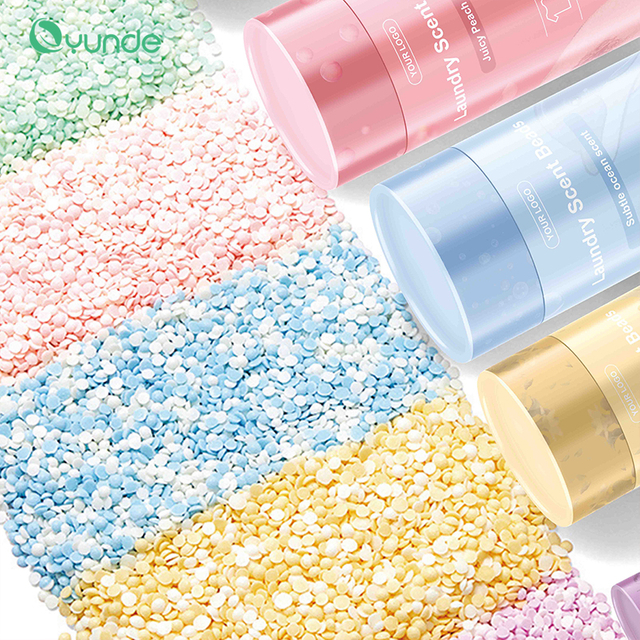
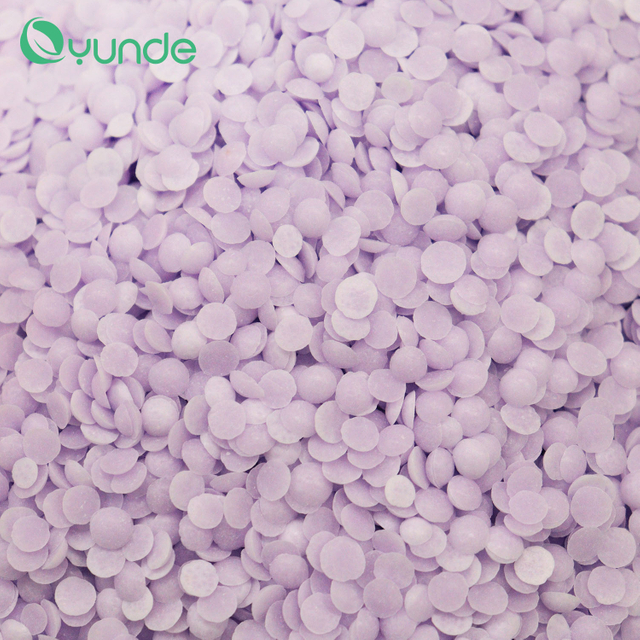
In wash scent beads are concentrated fragrance beads designed to dissolve during a washing cycle and leave a fresh scent on fabrics. They are not detergent and should not be presented as a complete cleaning product. Their main function is to improve the fragrance experience after washing, while detergent removes soil and stains through its own cleaning chemistry.
The product information reviewed for this article describes small beads that dissolve evenly in water from 10°C to 60°C within approximately five minutes. It also describes a slow release fragrance concept that can remain noticeable through multiple washes and wear cycles. The result in a real household depends on bead composition, dose, water conditions, fabric structure, drying and storage.
For B2B product teams, the bead format is useful because fragrance can be separated from the detergent base. A supplier can develop different fragrance directions, packaging sizes and private label concepts without changing the customer's normal detergent routine. The formula still needs repeated wash testing and accurate instructions for the target market.
| Product feature | Practical meaning | What to confirm |
|---|---|---|
| Bead form | Measured solid format for in wash fragrance. | Bead size, flow and storage stability. |
| Dissolution | Designed to dissolve during the wash. | Performance at the lowest intended temperature. |
| Fragrance release | Leaves scent on washed textiles. | Immediate and stored fabric evaluation. |
| Fabric positioning | Can be developed for common textile groups. | Repeated tests on cotton, synthetic and delicate samples. |
The correct sequence is sort, measure, add beads to the empty drum, load clothes, add detergent and select a suitable cycle. Start by checking care labels and separating colors. Choose a load size that leaves enough room for water movement. A tightly packed drum can reduce contact between water, detergent, beads and textiles.
After drying, evaluate the fragrance on several fabric types rather than on one garment. Damp fabric can make fragrance appear unusually strong, while a hot dryer may change the initial scent impression. For product testing, keep the load weight, water temperature, detergent, cycle and drying method constant.
Buyers comparing formats can review the in wash laundry fragrance bead range for different scent directions and product positioning. The same testing sequence should be used when comparing samples from different suppliers.
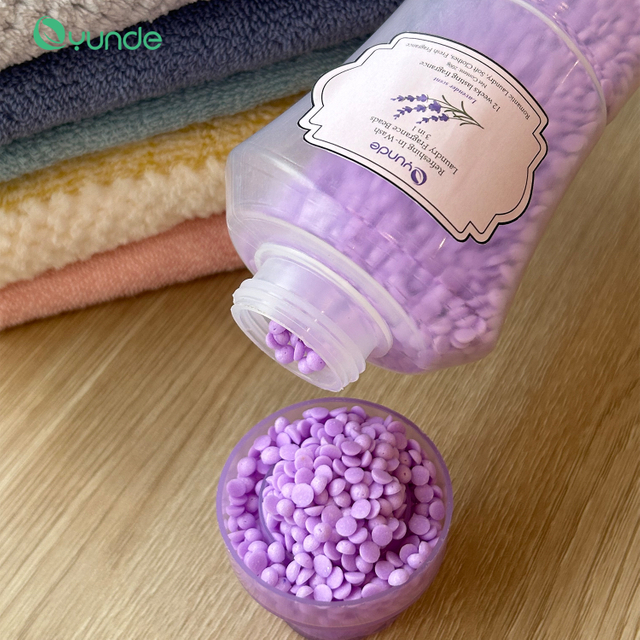
Put in wash scent beads into the empty washing machine drum before adding laundry. This placement allows the beads to meet water early in the cycle and dissolve as the wash begins. It also avoids confusion with the detergent and softener compartments, which are designed for different products and release timings.
The detergent drawer may retain powder, liquid or moisture, especially when it is not cleaned regularly. Adding beads there can lead to incomplete release, residue or a fragrance result that is difficult to repeat. The softener compartment is normally flushed during the rinse stage, while scent beads are intended for the main wash water.
Do not scatter a large quantity directly on a single delicate garment. The drum is the correct distribution environment. If a product label gives different instructions, the label should control the use method, and the instruction should be validated for the specific machine type and formula.
| Location | Recommended use | Reason |
|---|---|---|
| Empty drum | Recommended starting location for scent beads. | Provides direct contact with wash water. |
| Detergent compartment | Usually not recommended. | Designed for detergent delivery and may retain residue. |
| Softener compartment | Usually not recommended for scent beads. | Releases during rinse rather than the main wash. |
| Dryer | Do not use unless label specifically permits it. | Heat and concentration may create an untested exposure. |
Use the smallest amount that gives the desired fragrance after drying. The correct dose depends on load size, fabric density, fragrance concentration, water hardness, wash temperature and rinse performance. A full load of heavy cotton requires a different starting point from a small load of lightweight clothing.
For a new product, I recommend testing a low, standard and high dose within the label range. Use identical loads and wash conditions, then compare fragrance immediately after drying and after storage. This method helps buyers create clear instructions and prevents the common mistake of equating a stronger scent with a better product.
Excessive beads may produce an overpowering scent, increase cost per wash or make dissolution complaints more likely in short or cold cycles. If beads remain visible, review load size, water entry, drum movement and temperature before increasing dosage. The product information states a dissolution range of 10°C to 60°C, but commercial instructions should still be confirmed through testing.
| Condition | Starting approach | Reason |
|---|---|---|
| Small load | Use a lower measured dose. | Prevents excessive fragrance. |
| Full load | Use the standard label dose. | Matches the larger fabric surface. |
| Heavy towels or bedding | Increase only after validation. | Dense fabric can absorb more fragrance. |
| Sensitive users | Choose a light scent and low dose. | Reduces fragrance intensity. |
Water temperature affects how quickly scent beads dissolve, especially in short cycles or heavily loaded machines. The product category reviewed for this article describes dissolution in water from 10°C to 60°C within approximately five minutes. This broad range supports different laundry programs, but validation should focus on the coldest cycle used by the target customer.
Warm water normally gives the beads more energy to dissolve, while cold water can require better water movement and sufficient contact time. A tightly packed drum, low water intake or short program can change the result even when the nominal temperature is within range. Product tests should therefore include realistic machine conditions rather than only a glass of water.
For global markets, instructions should be understandable across front loading and top loading machines where relevant. Buyers may also need to consider water hardness, local energy saving cycles, storage humidity and package sealing. A stable product should flow from the package, remain dry in storage and dissolve consistently during use.
| Test condition | What to observe | Procurement question |
|---|---|---|
| 10°C to 20°C | Dissolution speed and any visible residue. | Does the product work in cold economy cycles? |
| 30°C to 40°C | Normal wash performance and fragrance release. | Is this the main customer use range? |
| 50°C to 60°C | Fragrance stability and fabric care compatibility. | Does heat change the scent profile? |
| Short cycle | Time available for dissolution and rinsing. | Are special instructions needed? |
Use detergent for cleaning, scent beads for fragrance and fabric softener for conditioning when the fabric allows it. Liquid detergent, powder and detergent sheets should be used according to their own instructions. Scent beads normally go into the drum, while softener goes into its dedicated compartment for release during the rinse.
Do not assume that more fragrance products will always improve the result. Detergent fragrance can combine with the scent bead profile, and softener can add another scent layer. For private label testing, use the exact detergent and softener combinations likely to be used by the customer. This helps prevent a product from performing well in isolation but poorly in a real laundry routine.
Cleaning the washing machine also matters. A blocked dispenser, dirty drum seal or poor rinse flow can create residue and change fragrance perception. Product instructions should explain the role of each product clearly and should not claim that fragrance beads sanitize, remove stains or replace detergent unless supported by appropriate evidence.
| Product | Primary function | Normal placement |
|---|---|---|
| Detergent | Removes soil and stains. | Detergent drawer or drum as directed. |
| Laundry scent beads | Adds in wash fragrance. | Empty drum before clothes. |
| Fabric softener | Conditions suitable textiles. | Softener compartment. |
| Stain treatment | Targets specific stains. | Pre treatment or wash stage as directed. |
In wash scent beads can be considered for cotton, synthetic fabrics and selected delicates, but care labels and end use always control the final decision. The product category describes compatibility with cotton, synthetics and delicates without affecting softness or color vibrancy. For a commercial product, this statement should be supported by repeated wash testing on representative fabrics.
Cotton shirts, bedding and household linens are usually straightforward starting materials. A buyer can compare laundry scent bead formulas for different fabrics through repeated wash and storage tests. Synthetic sportswear should be tested for odor interaction, elastic recovery, printed areas and moisture management. Towels and microfiber need absorbency checks because excessive additives can alter how water moves through the fibers.
For delicates, use the recommended cycle, moderate mechanical action and a controlled dose. For water repellent, flame resistant or coated materials, follow the textile manufacturer's instructions before introducing any fragrance additive. A pleasant scent is useful only when the fabric's primary performance remains intact.
| Fabric group | Suggested evaluation | Watch point |
|---|---|---|
| Cotton | Test fragrance after drying and storage. | Color, shrinkage and scent persistence. |
| Synthetic clothing | Use a suitable detergent and repeated cycles. | Odor retention, elasticity and prints. |
| Delicates | Use a low dose and gentle cycle. | Care label and colorfastness. |
| Towels and microfiber | Measure absorbency after repeated use. | Residue and reduced water uptake. |
Most problems come from incorrect placement, overloading, poor machine maintenance or unrealistic expectations. Adding beads to the wrong compartment can delay release. Filling the drum too tightly can reduce dissolution. Using an excessive amount can create a strong scent that is uncomfortable or difficult to rinse.
For product suppliers, another common mistake is using one fragrance strength claim for every market. A strong scent may work for one customer group but not another. Sample kits, clear dosing guidance and repeated fabric tests help reduce complaints and support more accurate commercial positioning.
B2B buyers should evaluate scent beads as a complete product system that includes formula, fragrance, packaging, instructions and quality control. A sample should be tested in the intended machine and with common detergents. Review dissolution at the lowest target temperature, fragrance after drying, persistence in storage and compatibility with representative fabrics.
Packaging should protect the beads from humidity and allow accurate dosing. The label should state intended use, placement, dose, storage, safety information and market specific ingredient or allergen requirements. If a distributor wants a custom fragrance direction, define approval samples and batch consistency before placing a bulk order.
Supplier evaluation should also cover production lead time, minimum order quantity, quality records, private label artwork support and change control. The custom laundry fragrance bead supply program can be reviewed when a buyer needs multiple scent options, retail packaging or a wholesale product concept.
| Buying criterion | Evidence to request | Why it matters |
|---|---|---|
| Formula performance | Dissolution and repeated wash test results. | Reduces residue and performance uncertainty. |
| Fragrance | Samples, scent descriptions and stability information. | Supports consistent product positioning. |
| Packaging | Material, sealing and dosage format. | Protects product during storage and transport. |
| Compliance | Ingredient, allergen and safety documents. | Supports market entry and accurate labeling. |
| Supply support | MOQ, lead time, artwork and batch records. | Improves planning for private label sales. |
Use in wash scent beads by measuring them into the empty drum before adding clothes, then wash with normal detergent and a suitable fabric cycle. The beads are intended to dissolve in the wash and release fragrance, not to clean stains or replace detergent. Dosage, water temperature, drum loading, fabric type and drying all influence the final result.
For household use, start with a modest dose and increase only within the product instructions. For B2B buyers, verify dissolution from 10°C to 60°C, fragrance persistence, fabric compatibility, packaging stability and labeling requirements. A controlled test program produces more reliable results than a single strong fragrance impression.
Final checklist: check the fabric label, measure the beads, add them to the empty drum, use detergent separately, avoid overloading, test cold cycles, clean the machine and keep product claims limited to verified performance.