- All
- Product Name
- Product Keyword
- Product Model
- Product Summary
- Product Description
- Multi Field Search


Views: 0 Author: Site Editor Publish Time: 2025-09-08 Origin: Site
Timber flooring adds warmth and elegance to any home. But without proper care, it can lose its charm over time. Regular cleaning and maintenance are key to keeping it in top condition.
In this guide, we’ll walk you through a 6-step process for cleaning and maintaining your timber floors. You’ll learn how to keep them looking great using tools like Floor Cleaning Sheets to simplify your routine.
Before starting any cleaning process, it's crucial to clear the area of any furniture or rugs. This step allows you to access the entire timber floor surface, preventing obstructions that might get in the way. Moving furniture also prevents damage to your floor from heavy objects. By clearing the area, you ensure that every inch of your timber floors is reached and cleaned.
Before diving into cleaning, take the time to inspect your timber floor for any visible damage. Look for scratches, dents, or stains that may require attention. Addressing these problems before cleaning helps prevent further damage. If you find any scratches or chips, consider using a wood repair kit or consulting a professional for repairs.
Selecting the right tools is key to preserving your timber floors. Avoid using cleaning tools that can scratch or damage the surface, such as abrasive brushes or rough scrubbing pads. Instead, choose a vacuum cleaner with a soft brush attachment or a microfiber mop. These tools are gentle on timber while effectively removing dirt and debris. When selecting cleaning products, opt for a wood floor cleaner designed specifically for timber surfaces to avoid harsh chemicals that could damage the finish.
Vacuuming is one of the most important steps in timber floor care. A vacuum with a soft brush attachment is ideal for removing dirt and debris without causing scratches. Using the wrong vacuum attachment can lead to surface damage, so make sure the brush is gentle enough for timber. Aim to vacuum the entire floor, including corners and edges, to remove all particles that could scratch the floor or make mopping less effective.
Timber floors should be swept or vacuumed regularly to prevent dust, dirt, and grit from building up. Dirt and sand can cause scratches and dull the finish over time. Ideally, vacuum at least once a week, especially in high-traffic areas like hallways and living rooms. You can also use a microfiber dust mop for daily light sweeping.
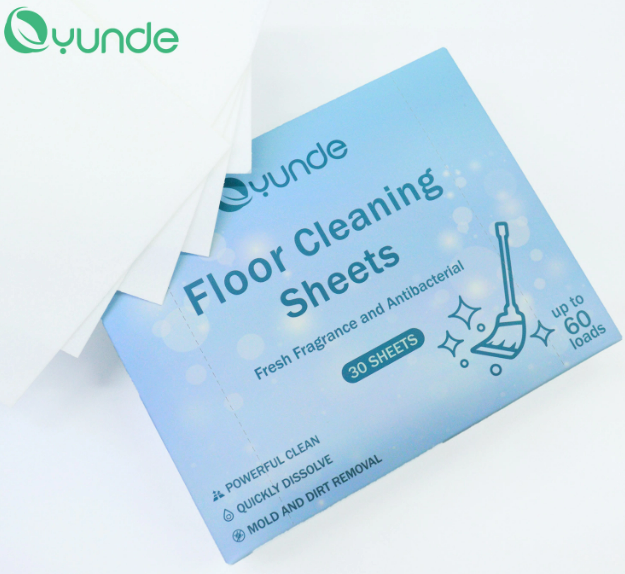
In addition to traditional sweeping or vacuuming, consider incorporating "Floor Cleaning Sheets" into your cleaning routine. These sheets are designed to trap and remove dirt, dust, and even static buildup, leaving the floor clean and residue-free. They are especially useful for maintaining a polished look between regular cleaning sessions and can be used on both hardwood and timber floors for optimal results.
When it’s time to mop, ensure you're using a cleaner that’s safe for timber floors. A pH-neutral wood floor cleaner is ideal as it won’t strip the finish or damage the wood. Always dilute the cleaner as per the instructions on the label. Never use harsh chemicals like bleach or ammonia, as they can permanently damage the timber surface.
For effective cleaning, mop in the direction of the wood grain. This ensures that you are following the natural pattern of the timber and helps remove dirt more thoroughly. Mopping against the grain can leave streaks or cause dirt to become trapped in the fibers of the wood, diminishing the overall look.
Once you've finished mopping, it’s critical to dry the floor right away. Use a soft cloth to dry any moisture left on the surface to prevent water damage, such as swelling or warping. Timber floors are sensitive to moisture, and standing water can quickly damage the wood, so be sure to remove excess moisture immediately.
For deeper cleaning, especially when dealing with stubborn dirt or grime, a steam cleaner can be an excellent tool. However, it’s important to use a steam cleaner that’s specifically designed for use on timber floors. Excessive moisture from steam can cause damage, so always use the steam cleaner sparingly. Ensure the steam is directed in a way that it won’t soak into the wood.
To keep your timber floors looking their best, apply a wood floor conditioner or polish at least once every few months. This product will nourish the timber, restoring its natural luster and adding a protective layer that helps maintain its appearance over time. Wood floor conditioners are designed to penetrate the wood surface and prevent drying or cracking.
Using "Floor Cleaning Sheets" regularly as part of your deep cleaning routine helps prevent dirt buildup that can dull the surface of your timber floors. These sheets are perfect for quick clean-ups and routine dusting, and they pick up debris that might be missed during other cleaning steps. They provide an extra layer of protection, ensuring your floors look fresh without requiring too much time or effort.
One of the most common mistakes when cleaning timber floors is using too much water. Excess moisture can cause the wood to swell, warp, or even crack. Always ensure your mop is damp, not soaking wet. If the floor is too wet, wipe it up immediately with a dry cloth to prevent long-term damage.
Harsh chemicals like bleach, ammonia, or strong detergents can strip the protective finish of your timber floor. Over time, these chemicals may cause discoloration or irreversible damage. Stick to products specifically designed for timber floors, such as pH-neutral cleaners, to ensure the longevity of your floors.
Another common mistake is using abrasive cleaning tools like scouring pads or rough brushes. These can scratch the surface of the timber, leaving permanent damage. Always opt for soft cleaning materials, such as microfiber mops and cloths, which are gentle on the surface while still providing effective cleaning.
● Protective Barrier: Felt pads or furniture coasters are essential for preventing scratches on timber floors. Place them under heavy furniture, such as tables, chairs, or sofas, to reduce direct contact with the floor.
● Even Weight Distribution: These pads help spread the weight of furniture more evenly, preventing deep indentations from forming over time.
● Easy Movement: Furniture pads also allow you to move items with ease, avoiding damage to the floor surface while shifting furniture around.
● Stable Environment: Timber floors are sensitive to temperature and humidity changes, which can cause them to expand or contract. Maintaining a consistent indoor environment helps preserve their shape.
● Use a Humidifier: In areas with low humidity, a humidifier can help keep the air moisture levels balanced, preventing your timber floor from drying out and cracking.
● Proper Ventilation: Ensure that rooms with timber floors are well-ventilated. Proper airflow helps reduce the chances of moisture accumulation or dryness that can damage the wood.
● Prompt Cleanup: Immediate attention to spills is critical in preventing permanent staining. Always blot, never rub, to avoid pushing the liquid further into the wood.
● Use the Right Cloth: A soft, absorbent cloth is ideal for cleaning up spills. Avoid using abrasive materials that can scratch the timber.
● Gentle Cleaner: For stains, apply a wood-friendly cleaner designed specifically for timber floors. Always follow manufacturer guidelines to ensure you don’t harm the finish.
Proper care is essential to preserve the beauty and longevity of timber flooring. By following a 6-step process, including vacuuming, mopping, and using "Floor Cleaning Sheets," you can maintain your floors' condition. Regular attention ensures they stay vibrant and durable for years. For efficient cleaning, products like Oyunde’s "Floor Cleaning Sheets" offer great value by simplifying your routine, keeping your timber floors in optimal condition.
A: For effective timber floor cleaning, use a vacuum with a soft brush attachment and a microfiber mop. Avoid harsh tools that can damage the wood. Consider using "Floor Cleaning Sheets" for added efficiency in capturing dust and dirt.
A: Vacuum your timber floors at least once a week, especially in high-traffic areas. Regular cleaning helps prevent dirt buildup. You can also use "Floor Cleaning Sheets" for quick cleaning between deeper mopping sessions.
A: It's best to use a wood floor cleaner that's pH-neutral. Regular cleaners may damage the finish. "Floor Cleaning Sheets" are designed specifically for timber floors and can help maintain their beauty without leaving residue behind.
A: Use felt pads under furniture to prevent scratches. Regular sweeping and mopping are also essential. Incorporating "Floor Cleaning Sheets" can help protect the surface by preventing dirt buildup.
A: Mopping in the direction of the wood grain ensures better dirt removal and helps maintain the integrity of the timber. This is an essential part of step-by-step timber floor care.
A: Always use a damp mop, not a soaking wet one, to avoid moisture seepage. Dry the floor immediately after mopping. Using "Floor Cleaning Sheets" can also help minimize moisture buildup during cleaning.


